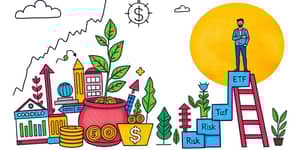

In an era marked by rising inflation and economic uncertainty, millions of individuals strive to achieve a sense of financial calm. According to recent surveys, 38% of Americans ranked financial stability as their top goal for 2025, while 41% reported increased money-related stress compared to last year. Millennials face the highest anxiety levels—52% more stressed—compared to 37% of Gen X and 23% of Boomers. This article offers a comprehensive roadmap to cultivate resilience, build lasting wealth, and take control of your financial future.
Understanding Financial Stability
Financial stability extends beyond simple budgeting; it is the foundation that enables households, businesses, and communities to thrive, even when markets wobble. At its core, personal financial stability means having the ability to manage everyday expenses, cover unexpected emergencies, and pursue longer-term aspirations without constant worry.
On a broader scale, systemic stability involves banks, lenders, and markets remaining robust under stress. Recent Federal Reserve and IMF reports highlight growing vulnerabilities stemming from tighter lending conditions, geopolitical tensions, and shifting market dynamics. By recognizing this dual nature—personal and systemic—individuals can align their strategies with larger economic realities and avoid being blindsided by sudden shocks.
Assessing Your Current Financial Situation
Any journey toward security begins with clarity. Start by conducting a thorough assessment of income and debts. List all sources of cash inflow—salaries, side gigs, dividends—and catalog every outgoing payment, from rent and utilities to subscriptions and leisure expenses. Don’t forget to include irregular costs such as annual insurance premiums or vehicle maintenance.
Next, evaluate your debt profile: interest rates, minimum payments, and total balances. Understanding exactly where you stand is a powerful motivator and lays the groundwork for realistic goal-setting. As you gather numbers, consider using spreadsheets or budgeting apps to visualize cash flow, pinpoint spending leaks, and identify opportunities for immediate improvement.
Creating a Sustainable Budget
A well-structured budget allocates resources effectively without stifling enjoyment. Two popular frameworks include:
Select the framework that best aligns with your lifestyle and goals. If you’re aggressively tackling debt, the 70/20/10 rule can accelerate repayment while still rewarding future growth. Conversely, the 50/20/30 approach offers more discretionary freedom for hobbies and self-care.
Track actual spending against your plan weekly. Small adjustments—like brewing coffee at home, consolidating subscriptions, or negotiating lower rates—can free up critical funds for savings or reducing high-interest obligations.
Building an Emergency Fund
An accessible safety net is non-negotiable. Aim to accumulate three to six months of expenses in a liquid account to shield yourself from job loss, medical emergencies, or unexpected home repairs. Data shows that 24% of Americans now prioritize boosting emergency reserves, up from 17% just two years ago.
Begin with a modest target—perhaps $1,000—then steadily increase contributions. Automate monthly transfers into a high-yield savings or money market account. As your fund grows, resist the urge to tap it for non-emergencies; treat this pool as sacred and reserved strictly for unforeseen crises.
Managing Debt Wisely
Carrying expensive obligations undermines progress. Focus first on high-interest debts to tackle first, such as credit cards with double-digit APRs. Two popular payoff strategies are the avalanche method—eliminating the highest-rate balances first—and the snowball method—targeting smallest balances to build motivational momentum.
Maintain at least minimum payments on all accounts to protect your credit score. Periodically review loan offers for refinancing opportunities with lower rates or better terms. With each debt extinguished, redirect freed-up funds toward your emergency fund or investment goals.
Growing Savings and Investments
Long-term wealth is built through disciplined saving and strategic investing. If your employer offers a 401(k) match, contribute enough to capture the full benefit—this is essentially free money. Beyond that, consider opening an IRA or a Roth IRA for tax diversification.
Diversify across asset classes—equities, bonds, real estate, and commodities—to manage risk and capture growth in various market environments. While 15% of survey respondents cited increasing retirement savings as their top financial goal, many overlook the importance of regular portfolio rebalancing and fee minimization.
Educate yourself on low-cost index funds and ETFs, which can deliver market returns with minimal fees. Over decades, even modest annual contributions can compound into significant nest eggs capable of funding comfortable retirements.
Setting S.M.A.R.T. Financial Goals
Goals without a plan remain dreams. Adopt the S.M.A.R.T. framework—Specific, Measurable, Achievable, Relevant, Time-bound—to break grand ambitions into manageable tasks. For example, rather than vaguely aiming to “save for a house,” define a specific amount, a monthly contribution, and a clear deadline.
Record goals in a dedicated journal or digital planner. Celebrate milestones—completing a debt payoff, hitting emergency fund targets, or achieving a new savings balance—and recalibrate as life circumstances evolve.
Emphasizing Financial Literacy
Knowledge empowers you to make better decisions and avoid costly pitfalls. Mastering the following five pillars fosters resilient habits:
- Earning: maximizing income opportunities through negotiation or side ventures
- Spending: differentiating needs versus wants and prioritizing value
- Saving: establishing automated deposits to build reserves
- Borrowing: understanding interest, terms, and responsible use
- Protecting: securing insurance, wills, and identity safeguards
Seek out reputable courses, books, and community workshops. As you deepen your understanding, you’ll feel increasingly confident in steering money toward your life’s aspirations rather than allowing dollars to slip through your fingers.
Key Considerations for Small Business Owners
Entrepreneurs face unique challenges, balancing personal and corporate financial health. To maintain operational stability and growth:
- Regularly reassess expenses and eliminate inefficiencies
- Negotiate pricing and payment terms with suppliers
- Maintain reserves covering at least three to six months of overhead
- Adapt pricing strategies to inflation and competitive shifts
- Review financial plans quarterly and adjust forecasts
By treating your enterprise as both a passion and a disciplined venture, you safeguard profits and personal finances alike.
Adapting to Global and Systemic Factors
Your personal plan does not exist in a vacuum. Macroeconomic volatility—driven by sovereign debt, bond market pressures, and geopolitical events—can ripple through consumer credit costs and investment returns. Advances in technology and artificial intelligence are reshaping risk management, prompting central banks to monitor novel vulnerabilities.
Stay informed by following credible economic analyses, central bank releases, and market trends. Maintain flexibility: adjust your asset allocation, revisit debt strategies, and consider hedging exposure if warranted by global developments.
Conclusion: Securing Your Future
Achieving financial stability in 2025 and beyond requires a holistic approach: clear-eyed assessment, disciplined budgeting, a robust emergency cushion, smart debt management, and ongoing education. By embracing these key steps and remaining adaptable to broader market shifts, you cultivate the confidence to pursue life’s greatest ambitions.
Start today—write down your goals, automate your savings, and invest in your knowledge. Over time, the daily choices you make compound into profound security, freedom, and peace of mind.
References
- https://www.federalreserve.gov/publications/April-2025-financial-stability-Purpose-and-Framework.htm
- https://www.imf.org/en/Publications/GFSR/Issues/2025/04/22/global-financial-stability-report-april-2025
- https://www.napa-net.org/news/2024/12/americans-to-focus-on-financial-stability-heading-into-2025/
- https://www.imf.org/en/Blogs/Articles/2025/04/22/enhancing-financial-stability-for-resilience-during-uncertain-times
- https://elitebusinessmagazine.co.uk/finance/financial-management/item/mastering-financial-stability-what-small-businesses-must-prioritise-in-2025
- https://www.investopedia.com/terms/f/financial-literacy.asp
- https://www.bankofengland.co.uk/-/media/boe/files/financial-stability-in-focus/2025/financial-stability-in-focus-artificial-intelligence-in-the-financial-system
- https://www.investopedia.com/articles/personal-finance/100516/setting-financial-goals/