
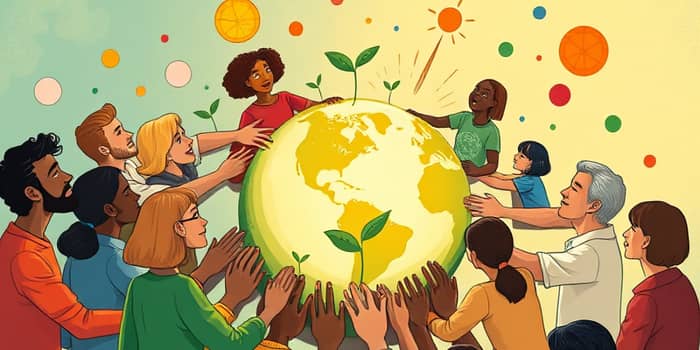
Charitable giving is more than a transaction—it’s a profound expression of care for communities and causes we cherish. With 2024 marking significant upticks in donations, donors have an unprecedented opportunity to shape meaningful change.
This article explores the latest trends, strategies, and tools that can help you maximize your charitable impact in the modern philanthropic landscape.
Understanding the Current Landscape of Giving
In 2024, Americans donated a remarkable total donations of $592.50 billion to nonprofit organizations, reflecting a 6.3% increase in current dollars over the previous year. This growth was driven by a robust stock market performance, GDP gains, and rising individual and corporate incomes.
Giving is distributed across various sectors, with some areas experiencing notable shifts:
While contributions to religion still represent the largest share, this subsector has seen a gradual decline over decades. Human services and education continue to rise in prominence, underscoring evolving donor priorities.
Identifying Who Gives and How They Give
The profile of the typical donor is evolving. The average giver in the U.S. is now 64 years old and tends to make donations biannually. Two out of three donors are female, a demographic shift that influences program design and outreach methods.
- 67% of donors are female, 32% male, 1% non-binary
- 57% enroll in consistent monthly giving programs, up from 46% last year
- Average one-time gift: $121; average monthly gift
- Donor-Advised Funds (DAFs) granted $14.9 billion in 2024
These changes highlight the growing appeal of sustained support models and the rising role of DAFs in philanthropic planning.
Timing Your Contributions for Greatest Effect
Year-end giving peaks in December, accounting for up to one-third of annual donations. Strategic timing can unlock matching gifts and employer-sponsored payroll programs.
More than 9% of donors leverage workplace giving initiatives, doubling their impact through corporate matches and payroll deductions. Volunteering and in-kind donations remain strong, with 85% of donors offering time and 81% donating goods to support nonprofit operations.
Innovative Vehicles to Amplify Your Philanthropy
Beyond cash gifts, donors are embracing cutting-edge giving vehicles and tools that blend generosity with financial agility. Cryptocurrency donations surged to $786 million in 2024, a fourteenfold increase over the previous year. This trend reflects a broader appetite for digital assets in charitable channels.
Non-cash assets, such as privately held shares and real estate, have also transformed legacy giving. Since inception, over $15.5 billion in non-traditional assets have been converted into philanthropic capital.
For many, DAFs offer a data-driven approach to philanthropy, allowing immediate tax benefits and the flexibility to recommend grants when causes need support most. Meanwhile, social media and online platforms continue to reshape donor engagement, especially among younger demographics and those influenced by peer-to-peer campaigns.
Practical Steps for Donors to Maximize Impact
Whether you’re new to giving or looking to refine your approach, these actionable steps can enhance the effectiveness of your philanthropy:
- Research organizations with transparent financials and clear reporting and outcome measurement.
- Consider establishing or contributing to a Donor-Advised Fund for tax-efficient giving.
- Set up recurring gifts to provide nonprofits with predictable cash flow.
- Leverage corporate match programs and year-end campaigns for compounded impact.
- Supplement financial gifts with volunteer time or in-kind donations to diversify your support.
By combining strategic planning with hands-on involvement, donors can create sustained momentum and deepen their connections to the causes they champion.
Challenges Facing Charitable Giving
Despite strong overall growth, the sector faces headwinds. Inflation-adjusted giving shows that only seven of nine nonprofit subsectors expanded in real terms last year. Foundation grants remain flat, and religious giving continues its long-term contraction.
Policy shifts in federal grantmaking, research funding, and DEI initiatives introduce uncertainty, requiring nonprofits and donors to navigate a complex funding environment.
Looking Ahead: Emerging Trends in Philanthropy
The future of giving lies at the intersection of technology, globalization, and personalized engagement. Cross-border donations are on the rise, with one-third of donors supporting organizations outside their country of residence.
Online and mobile platforms will dominate fundraising, driving peer-to-peer and social media campaigns. Nonprofits that embrace digital innovation and prioritize donor experience will stand out in this competitive landscape.
Ultimately, informed giving—grounded in research and strategic timing—will empower donors to meet the evolving needs of communities worldwide.
References
- https://givingusa.org/giving-usa-2025-u-s-charitable-giving-grew-to-592-50-billion-in-2024-lifted-by-stock-market-gains/
- https://www.ccsfundraising.com/insights/perspectives-on-philanthropy-giving-usa-2025/
- https://doublethedonation.com/nonprofit-fundraising-statistics/
- https://www.bwf.com/giving-usa-2025-report-insights/
- https://www.fidelitycharitable.org/insights/2025-giving-report.html
- https://www.dafgiving360.org/giving-report
- https://orrgroup.com/giving-usa-2025-report-what-the-data-tells-us-and-where-we-go-from-here/
- https://donorbox.org/nonprofit-blog/end-of-year-giving-statistics