
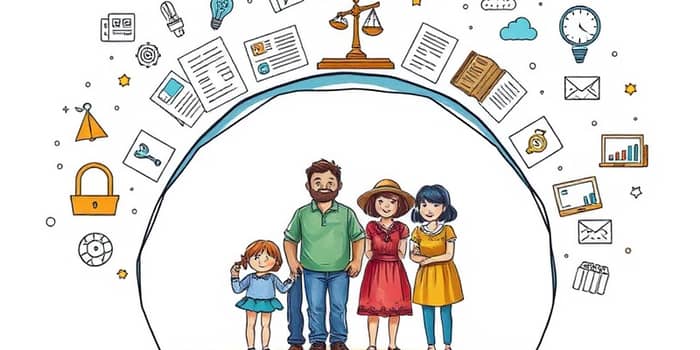
Every individual envisions a future where loved ones are protected and legacies preserved. Yet, the majority postpone the essential step of estate planning until it’s too late. This article provides a comprehensive roadmap to ensure your assets, personal wishes, and family’s wellbeing are fully safeguarded. By understanding the core elements, recognizing common pitfalls, and following clear, actionable guidance, readers can achieve peace of mind and take control of their financial and personal legacy.
What Is Estate Planning?
Estate planning is the process of designating how your assets and personal wishes are managed and distributed if you become incapacitated or after you die. It encompasses legal documents that address wealth transfer, guardianship for minor children, and preferences for medical care. When done correctly, an estate plan provides a structured framework for end-of-life arrangements and ensures that your intentions are honored.
In practical terms, this means working with legal professionals to prepare key instruments, such as wills, trusts, and power of attorney forms. Each document serves a specific purpose, and together they create a comprehensive strategy that minimizes uncertainty, legal challenges, and emotional stress for those left behind.
Why Estate Planning Matters
Despite high awareness—83% of adults recognize the term—action remains limited. Only 24–31% have a will, and a mere 11% maintain a trust. In fact, 55% lack any estate documents, leaving families vulnerable to lengthy court proceedings, high legal fees, and potential disputes over inheritance. Procrastination, cost concerns, and confusion are common barriers, even though 50% of people cite protecting loved ones and securing their futures as primary motivators.
Major life events often trigger planning efforts: 43% begin after a serious medical diagnosis, others upon buying a home or retiring. However, most still wait for a crisis. Without a proper estate plan, families face financial uncertainty, and the probate process alone can be both costly and time-consuming, reducing estate value by up to 10% in legal and administrative expenses.
Data reveal that only 20% of adults aged 18–34 have an estate plan, compared with 40% of those 65 and older. Overall, just 31% of U.S. adults maintain any type of plan, highlighting a critical preparedness gap across generations. Younger adults, women, and lower-income households are especially underrepresented, underscoring the need for broader awareness and accessible planning resources.
Key Estate Planning Documents
To build a robust estate plan, certain legal documents are essential. Each instrument serves a distinct function, and together they form a protective safety net for your assets, health care, and family. Below is an overview of the most critical components:
Only by combining these documents can you protect against incapacity, ensure privacy, and streamline asset transfers. For complex estates, multiple-state properties, or beneficiaries with special needs, trusts can be particularly invaluable.
Common Mistakes and How to Avoid Them
Even when people start the process, errors can undermine their plans. A frequent oversight is creating only a will without a trust or power of attorney. This can lead to probate can reduce value and leave no one authorized to act if you become incapacitated. Failing to update documents after life events—marriage, divorce, birth of children, or property purchases—can render your plan invalid or ineffective.
Another pitfall is neglecting modern considerations. Digital assets, online accounts, and beloved pets are increasingly part of family legacies. Yet, 62% of Americans now want to include pets in their plans, and many overlook this until it’s too late. Procrastination and cost fears often delay action, but the financial and emotional toll of inaction far outweighs the investment in professional guidance.
Actionable Steps for 2025
Taking decisive action today can secure tomorrow. Follow this checklist to assemble, implement, and maintain a comprehensive estate plan:
- Gather and organize key documents: IDs, deeds, insurance policies, beneficiary forms
- Draft or update your will; assess the need for a trust based on complexity
- Complete durable and medical power of attorney forms and an advance directive
- Document digital assets and make HIPAA authorizations for health data access
- Include instructions for pets, charitable bequests, and funeral arrangements
- regularly review and update documents every few years or after major changes
- Communicate your wishes clearly with executors, family members, and agents
- Explore digital and AI-enabled tools for streamlined estate management
By following these steps, you can overcome barriers of confusion, cost, and delay. Consulting an experienced estate planning attorney ensures that your documents comply with current laws and reflect your evolving circumstances. Open dialogues with family members and appointed agents foster understanding and reduce potential conflict.
Future Trends in Estate Planning
The landscape of estate planning is evolving rapidly, driven by digital innovation and changing family dynamics. Mobile apps and online platforms now allow real-time updates of wills and trusts, making it easier to modify documents as circumstances shift. Blockchain technology is being explored to create immutable records of legal instruments, reducing fraud and improving transparency.
Meanwhile, AI-enabled tools offer guided interviews, personalized recommendations, and automated document drafting. Recent surveys show that 20% of younger adults trust AI more than human advisors, with another 34% trusting both equally. Cultural acceptance of digital asset planning is also rising, as more individuals demand explicit instructions for social media profiles, cryptocurrency holdings, and other non-traditional assets.
Adopting these technologies can streamline the estate process and lower administrative costs, but it also requires attention to data security and regulatory compliance. Collaborating with advisors who specialize in digital and AI-integrated estate solutions ensures that your plan remains robust in the face of future innovations.
Estate planning is an ongoing journey, not a one-time event. Economic landscapes shift, family structures evolve, and new legal frameworks emerge. Regularly revisiting your plan keeps it aligned with your goals and guarantees that your legacy remains protected for generations to come.
Embrace the power of preparation today, and rest assured that your wishes will be honored, your loved ones shielded from uncertainty, and your digital and physical legacies preserved. Secure your future by taking action now—because the best time to plan for tomorrow is today.
References
- https://elderlawcenterbrevard.com/2024/12/27/is-your-estate-plan-ready-for-2025/
- https://growlaw.co/blog/estate-planning-law-statistics
- https://lumsdenlawfirm.com/estate-planning-checklist-2025/
- https://pssusa.org/most-americans-still-unprepared-2025-will-estate-planning-report-finds/
- https://www.ncoa.org/article/estate-planning-checklist/
- https://www.bottilaw.com/news/estate-planning-in-decline-new-data-shows-a-concerning-trend/
- https://protectingwealth.com/estate-planning-documents-2025/
- https://trustandwill.com/learn/2025-report-estate-planning-demographic-breakdown/