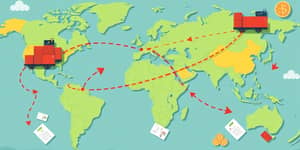

In an era defined by geopolitical tensions, climate extremes, and rapid technological shifts, organizations that withstand shocks and adapt swiftly hold the key to sustainable success. From supply chain disruptions to cyber breaches, the complexity and frequency of global risks have surged. Against this backdrop, building multi-dimensional resilience frameworks has transitioned from a strategic advantage to a business imperative.
Defining Global Business Resilience
At its core, business resilience is a company’s capacity to absorb disruption—whether stemming from technological failures, evolving regulations, or natural catastrophes—and recover rapidly, preserving essential functions and competitive positioning. Studies reveal that resilient enterprises are 2.5x more likely to recover from crises and maintain operations compared to their peers. Moreover, firms ranking in the top 50 of the FM Global Resilience Index rebound from property losses 30% faster on average.
Quantitative Landscape: Key Statistics
The numbers paint a compelling picture of both risk and opportunity:
- International Growth and Macro Trends: Global economic growth is projected at 3.0% in 2025 (up to 3.1% in 2026), while 40% of adults in developing economies now hold financial accounts, signaling rising financial resilience.
- Operational and Financial Impacts: Extreme cyber incident losses have quadrupled since 2017 to $2.5 billion. Companies with robust resilience strategies report cost reductions of up to 30% during crises.
- Leadership and Preparedness: Only 9% of global executives express confidence in their current financial health, and just 30% feel “very prepared” for geopolitical volatility.
Global Risk Indices and Rankings
The FM Global 2025 Resilience Index evaluates 130 countries and territories across 18 factors, from corruption control and healthcare spend to climate exposure and cybersecurity risk. This year marks the first inclusion of a cybersecurity metric leveraging insurer data, reflecting the escalating threat landscape in an AI-driven world.
Developing markets such as Ghana (+17 positions), Nigeria (+10), and Rwanda (+8) have also demonstrated significant gains, illustrating how targeted governance reforms and infrastructure investments can elevate risk quality scores and recovery capabilities.
Core Themes and Emerging Challenges for 2025
Businesses must navigate a mosaic of interconnected threats:
- Digital and Cyber Resilience: Only 8% of organizations feel fully prepared to counter cyberattacks, even as 93% adopt AI without comprehensive governance frameworks.
- Geopolitical and Economic Headwinds: Inflation, trade disputes, and political polarization pressure supply chains, with just 30% of companies “very prepared” for such volatility.
- Climate and Physical Risk: Extreme weather events and environmental regulations are reshaping risk management, compelling companies to integrate climate adaptation measures into core strategies.
- Supply Chain Continuity: Incidents like the 2024 CrowdStrike outage underscore the necessity of vendor diligence, proactive resilience testing, and scenario planning.
- Financial Resilience and Restructuring: With only 9% of firms feeling financially strong and 18% anticipating restructuring in 2025, stress-testing and insurance solutions are critical.
Organizational Advantages of Resilience
Embedding resilience into corporate DNA delivers tangible benefits:
- 3–5% higher annual revenue growth compared to industry peers.
- Up to 30% lower costs during disruption, preserving cash flow and margins.
- 10% greater shareholder returns in times of crisis, reflecting market confidence.
- Enhanced employee engagement—up 21%—strengthening talent retention and productivity.
Frameworks and Strategies
To translate vision into action, leaders should adopt a holistic 2025 Resilience Model built on four pillars. Prevention & Preparation rely on rigorous stress tests, scenario analysis, and data-driven forecasting. Rapid Response involves real-time monitoring and incident playbooks to contain disruption. Adaptation emphasizes dynamic workforce plans and agile digital infrastructure to pivot under pressure. Recovery & Growth leverages strategic insurance, operational redundancies, and post-mortem analysis for continual improvement.
The business landscape of 2025 also demands proactive AI governance, accelerated digital transformation, and robust ESG compliance. Eighty percent of top-resilient firms already harness advanced analytics to inform decision-making, illustrating the shift toward data-driven risk evaluation.
Regional & Sector-Specific Insights
Regional strengths and weaknesses vary widely. In Europe, Denmark, Luxembourg, and Switzerland top the charts, supported by stable macroeconomic conditions, high education levels, and minimal corruption. Asia’s leaders—Singapore and South Korea—excel in climate risk management and digital infrastructure.
In the Americas, the Central United States emerges as the most resilient U.S. region, benefiting from diverse economies and robust logistics networks. Meanwhile, African nations like Ghana, Nigeria, and Rwanda highlight how focused governance reforms and infrastructure upgrades can propel rapid resilience gains even in developing markets.
Sector-specific drivers also shape outcomes. Financial services firms prioritize regulatory compliance and cyber defense, manufacturing leaders invest in supply chain visibility, and energy companies emphasize physical asset protection against climate threats.
Conclusion: Forward-Looking Priorities for 2025 and Beyond
As volatility persists, senior leaders must shift from reactive fixes to proactive resilience strategies. Key priorities include developing multi-dimensional risk frameworks, implementing comprehensive AI governance and cybersecurity protocols, embedding climate adaptation into operations, investing in employee skills and cross-functional collaboration, and leveraging advanced analytics alongside leading indices like the FM Global Resilience Index and WEF Global Risks Report to guide strategic decisions.
By embracing a holistic approach that spans prevention, rapid response, adaptation, and recovery, organizations can not only withstand disruption but also capture new opportunities. In a world without borders, truly resilient businesses will define the competitive frontier.
References
- https://newsroom.fmglobal.com/releases/2025-fm-resilience-index-denmark-on-top-of-the-world-again-fm-adds-new-cybersecurity-data
- https://www.cockroachlabs.com/guides/the-state-of-resilience-2025/
- https://www.kroll.com/en/publications/2025-global-business-sentiment-survey
- https://www.rocket.chat/blog/business-resilience
- https://www.fm.com/resources/resilience-index
- https://www.imf.org/en/Publications/WEO/Issues/2025/07/29/world-economic-outlook-update-july-2025
- https://nielseniq.com/global/en/insights/report/2025/the-business-resiliency-playbook/
- https://www.ghjadvisors.com/ghj-insights/business-resiliency-in-2025-survey-of-business-leaders-findings
- https://www.worldbank.org/en/publication/globalfindex